

WhatsApp Status
Defining the strategy, visual patterns, interaction models, and feedback systems behind a global publishing platform used by billions of people.
Role
Design Lead: responsible for strategy and execution, grew team to 4 designers
Scope
1.5+ billion users

Turning Around a Regressing Product
Status is one of the largest products at Meta, used by over a billion people daily. However, by 2023 the product had entered a period of decline. Poster participation and posting frequency were falling, especially among younger cohorts, and the launch of the combined Updates tab introduced additional regressions in usage.
My Role
I was brought in to lead design during a reboot of the Status team. As the first designer during the rebuild, my responsibility was to help define the long-term product strategy, establish a visual roadmap, grow the design function, and align cross-functional teams around how Status could recover and grow.
We focused on three parallel efforts:
1. Defining the long-term strategy
Reposition Status around authentic sharing with close friends and family rather than competing directly with entertainment platforms.
Approach
2. Stabilizing the product through targeted experiments
Address product gaps driving posting declines, particularly around audience control, content relevance, and feedback loops.
3. Establishing a long-term AI North Star
Explore how AI-assisted content creation and relevance systems could improve both posting and consumption.
The status flywheel:
Production → Inventory → Consumption → Interaction
Declines in production reduce inventory, which reduces consumption and ultimately decreases interactions.
The strategy focused on strengthening each stage of the flywheel.
Strategy: Rebuilding the Status Flywheel
Instead of competing with entertainment platforms like Instagram, we positioned Status as the best place to share authentic moments with close contacts. This made the most sense for the type of product WhatsApp is given that privacy and the contact model is approached differently at WhatsApp than Instagram.
This differentiation leveraged WhatsApp’s strongest advantages:
Privacy
Authentic sharing
Existing close-contact networks
Strategic Focus: Close Friends & Family
Research and data surfaced three core issues driving decline:
Audience management
People wanted more control over who could see their stories.
Content relevance
Viewers struggled to find the most meaningful updates.
Feedback loops
Posters often felt the experience was isolating due to limited interaction tools.
Key Product Problems
Leveraging user insights and data, I worked with my product and engineering lead counterparts to focus the following three areas that would address the key problems:
Production
Make it easier to share with the right people
Consumption
Help viewers find stories that matter most
Interaction
Introduce lightweight feedback to strengthen social loops
These initiatives were prioritized to stabilize poster retention before expanding the product further.
Execution Roadmap
Several projects emerged from this strategy. Two of the most impactful were Private Mentions and Status Likes, which addressed relevance and feedback loops within the Status ecosystem.
Key Work
A feature allowing posters to privately mention specific contacts within a status update.
Private Mentions
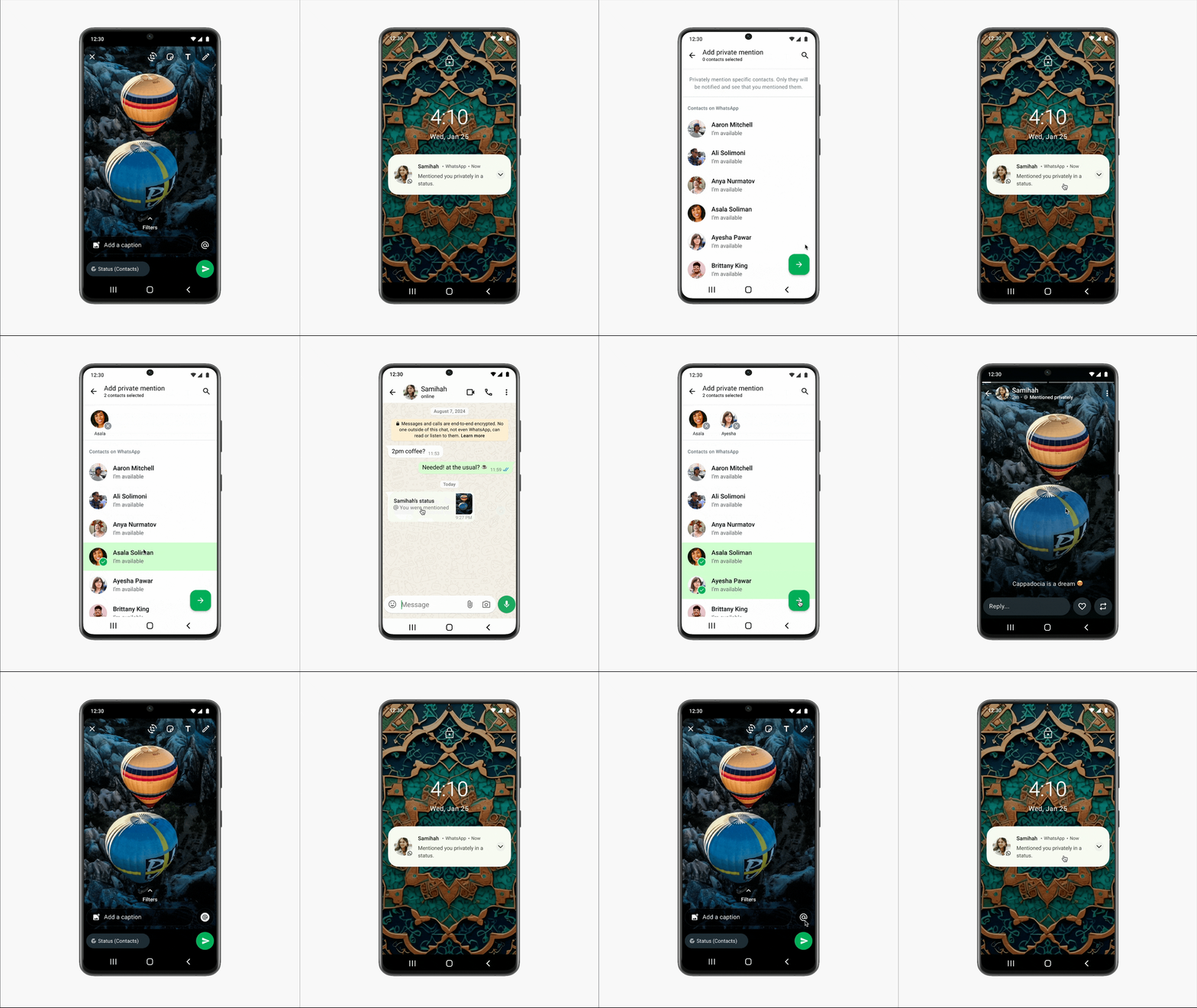
Status lacked mechanisms to highlight content for specific people. Posters wanted to share updates that were relevant to particular friends. Viewers wanted content relevant to them.
Problem
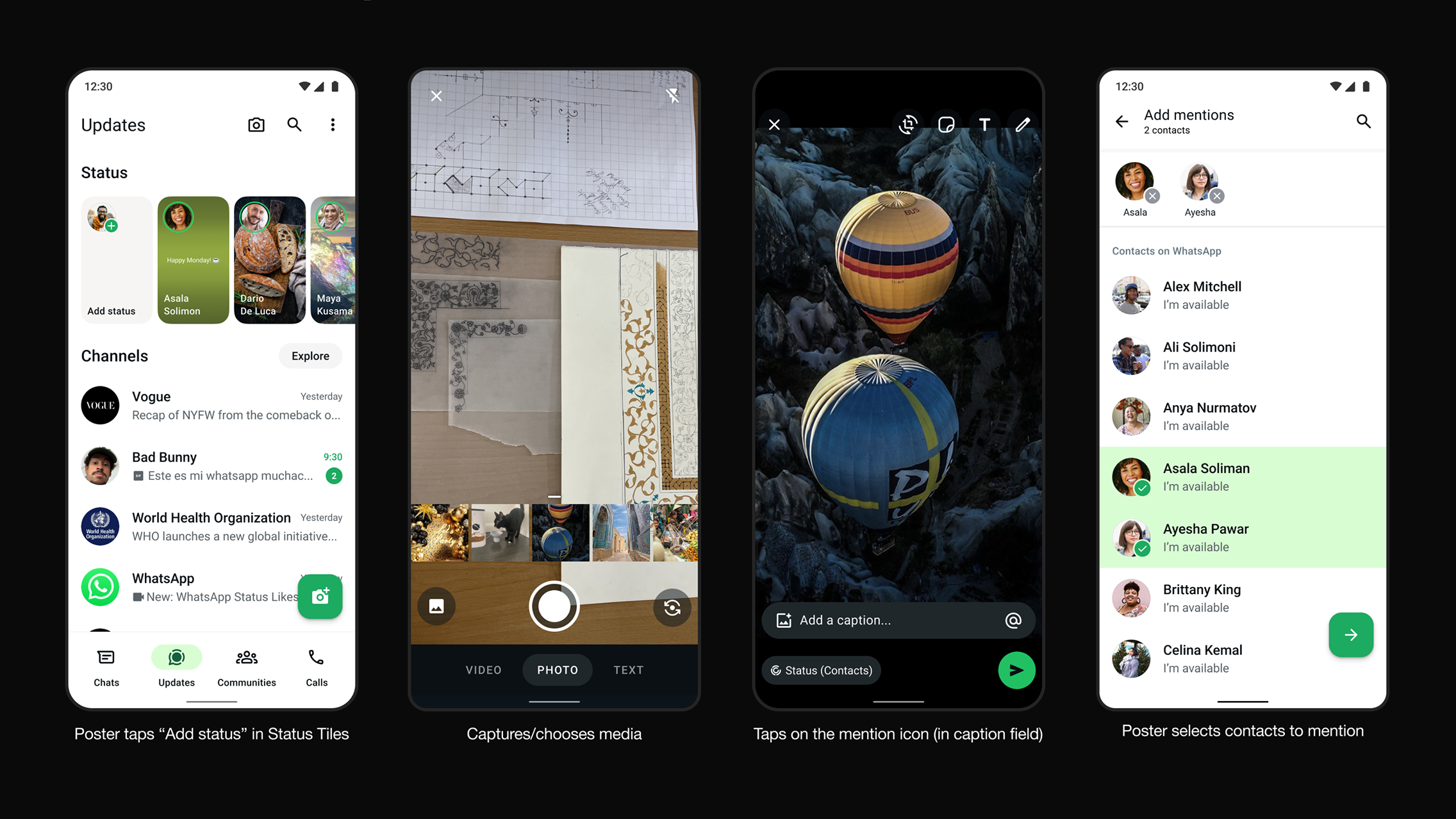
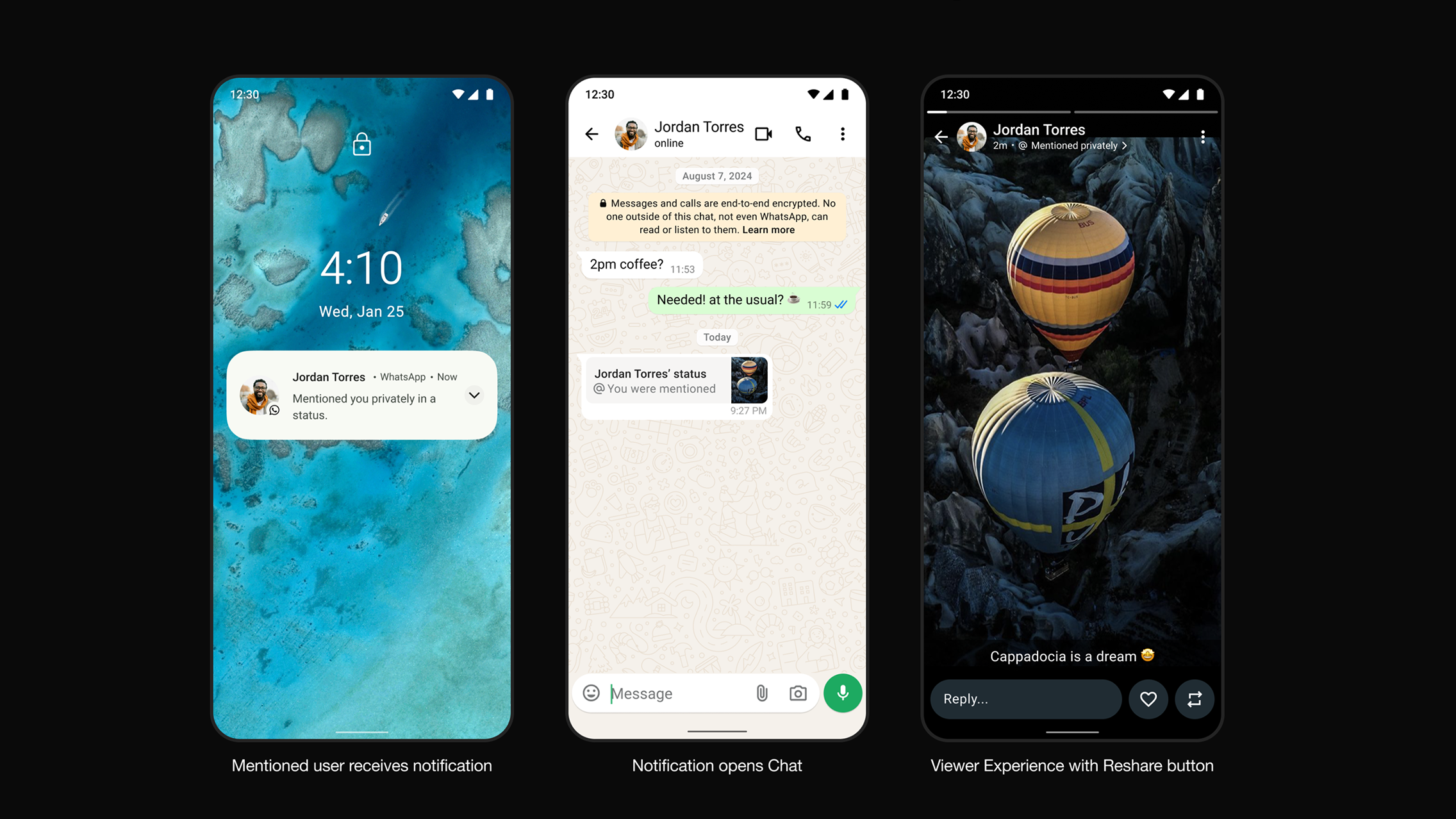
Private Mentions allow posters to tag specific contacts in their status. Mentioned users receive a direct notification and can easily reshare the status with their own audience.
The design required balancing discoverability with WhatsApp’s strict privacy expectations.
Solution
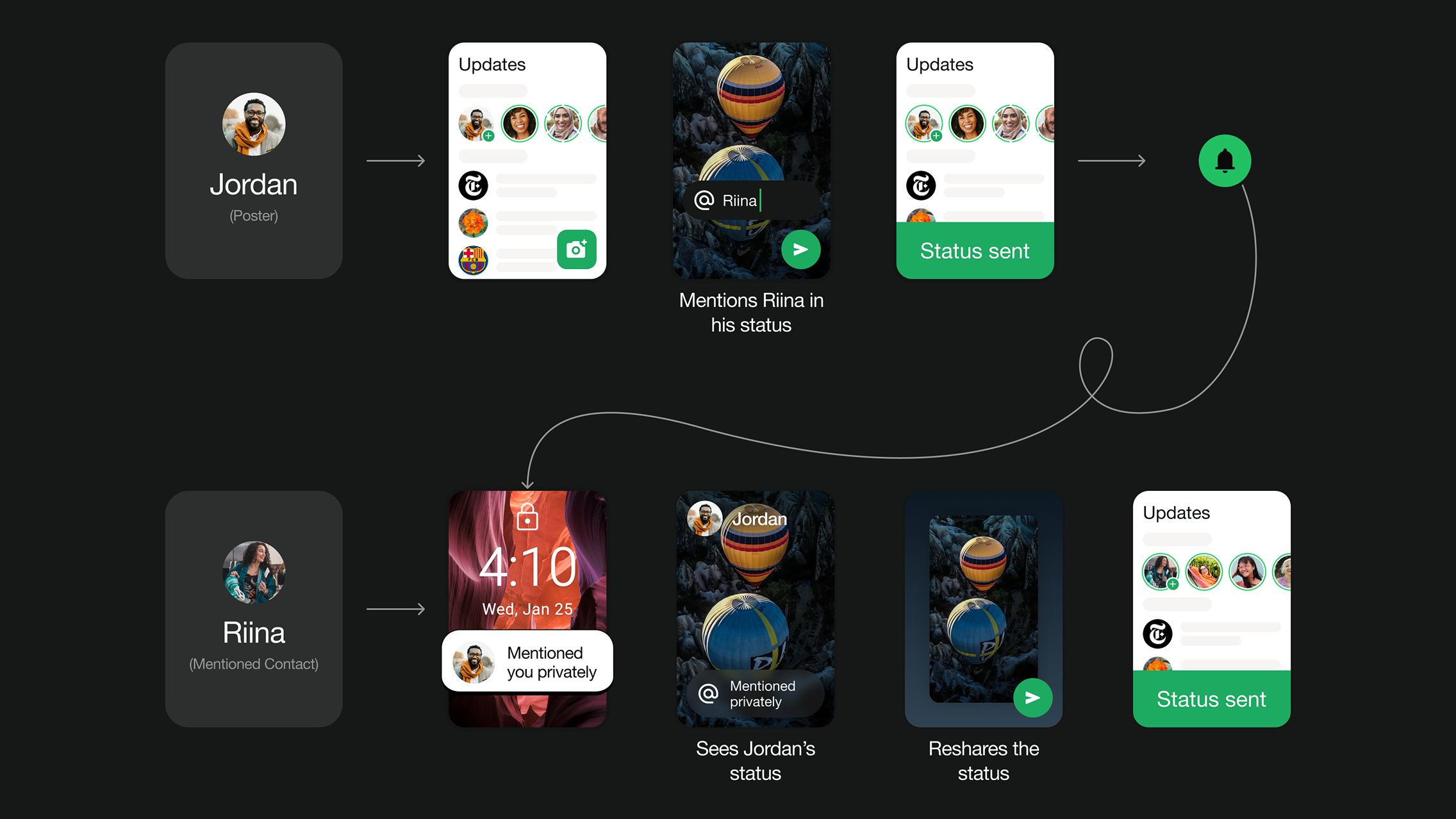
Private mentions was a large project broken into 3 separate milestones:
m1: 1:1 private mentions where posters can mention contacts
m2: in-chat component where a mentioned user is notified via messages
m3: Private mentioning of groups.
Prior to m2, Status would silently drop “sends” to non-reciprocal contacts (a contact who does not have poster saved as a contact in their address book) as this was key to unwanted contact via Status and would preserve recipient’s privacy. However, with the introduction of an in-chat component, we had to notify a non-reciprocal contact that they had been mentioned as it creates a chat message. Not doing so would reveal the user’s contact book. To solve for safety, I leveraged the Integrity team’s patterns around trust signals for non-contacts and blurred the status image to keep users safe.
Challenge
• ~6M statuses created with mentions
• ~20% of mentioned statuses reshared
• +425K Poster WAU uplift
• ~1M additional posts per day
Impact
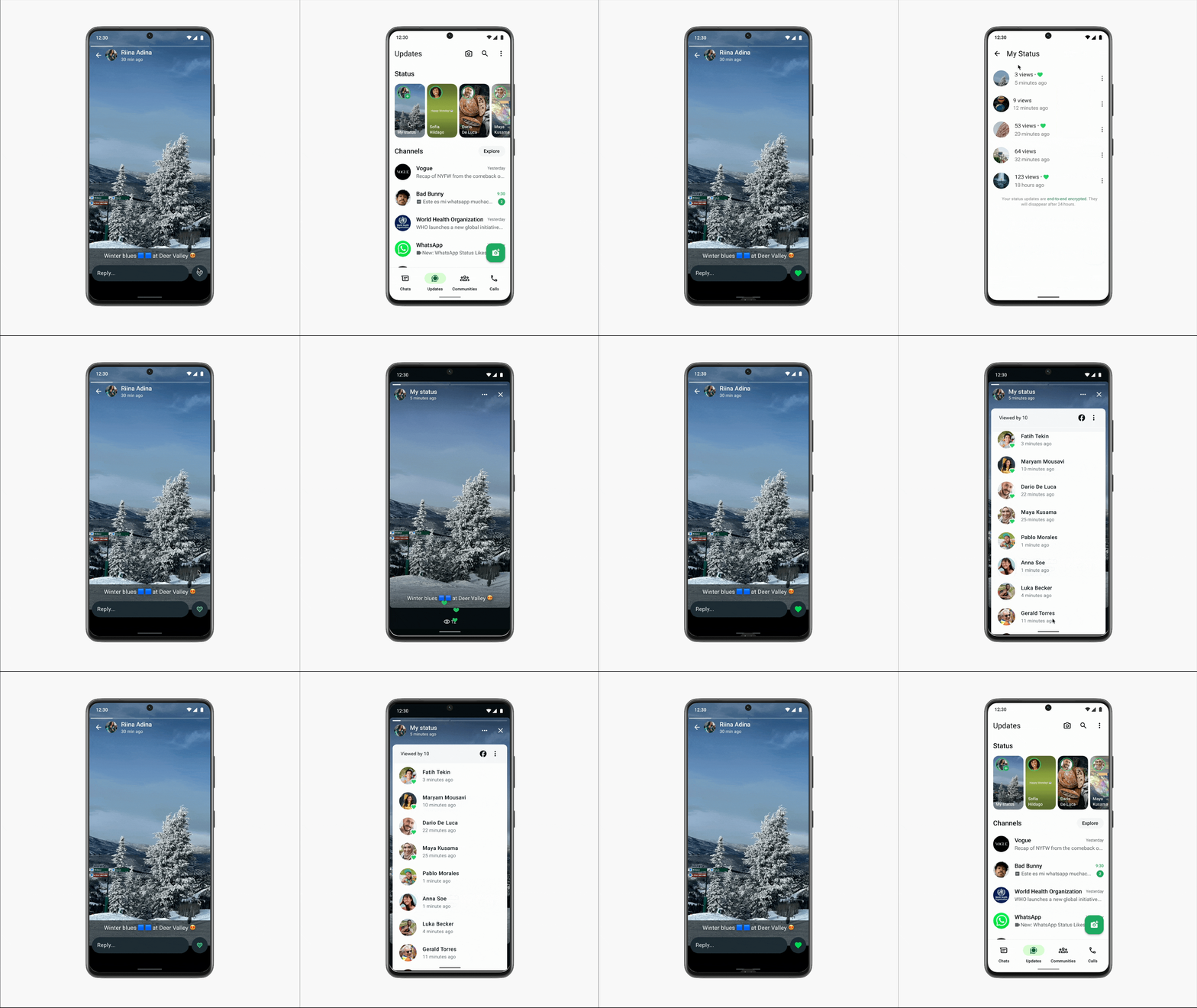
A lightweight reaction mechanism allowing viewers to quickly show appreciation for a status.
Status Likes
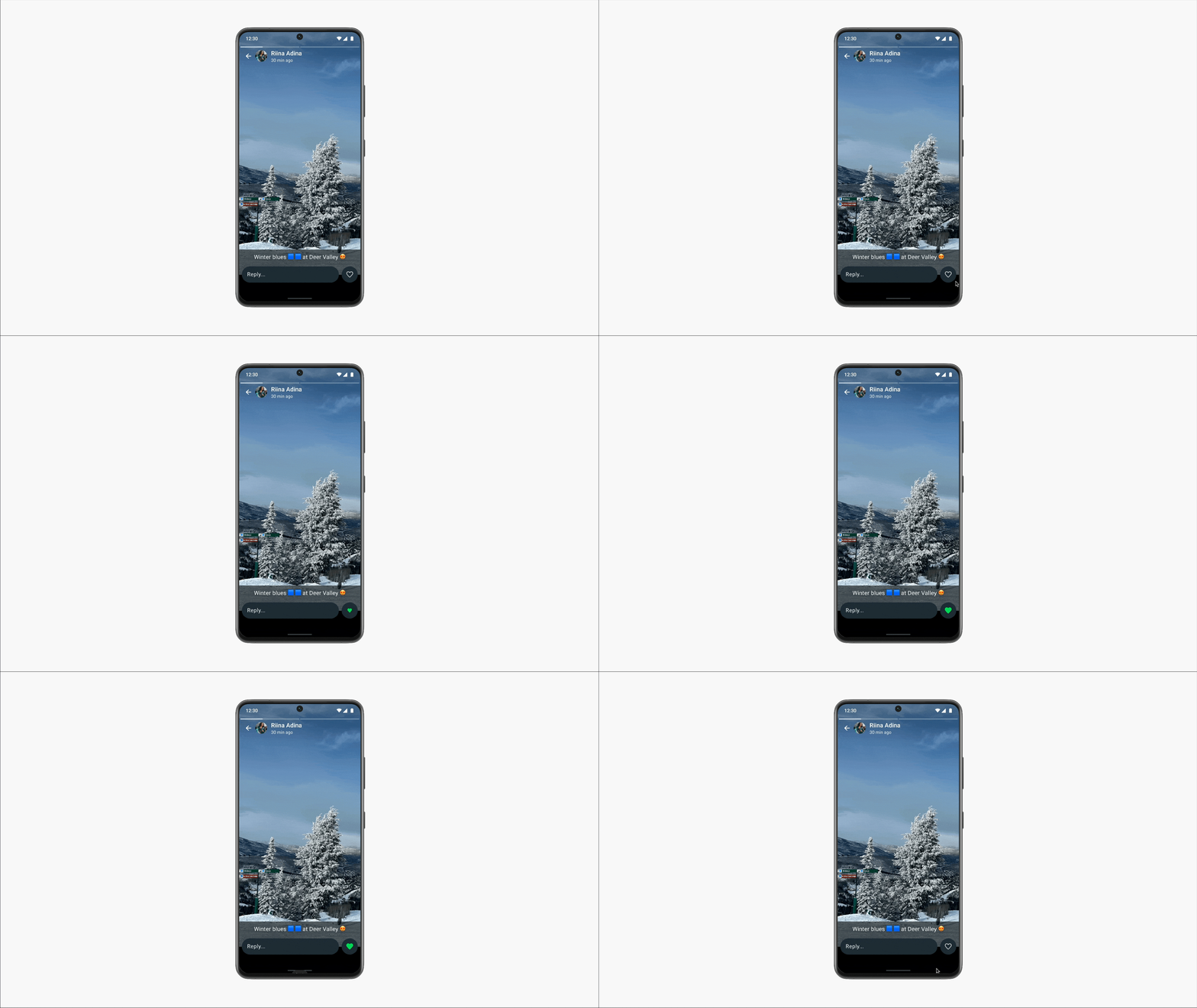
Posters often felt the experience was isolating because interaction or “feedback” from viewers required sending a full message reply. Sending a full message reply required effort and created a blocking effect when viewers hesitated as they didn’t want to say the “wrong thing.”
Problem
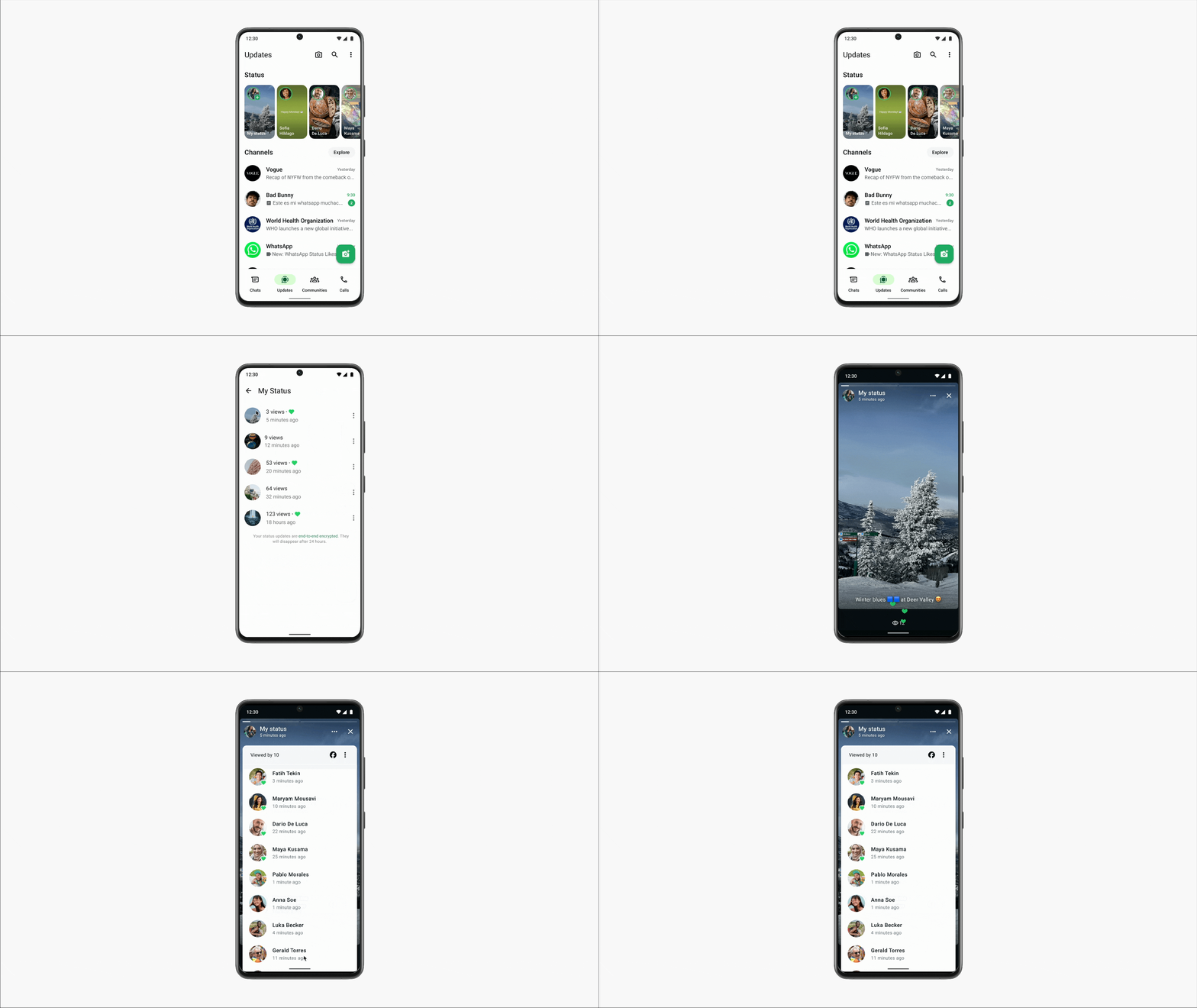
Status Likes introduced a lightweight way for viewers to react without starting a conversation, strengthening the feedback loop that motivates posting.
Solution
• Poster WAU increased by +4.74M
• Interactions per post increased from 0.56 → 1.78
• % of posters receiving feedback increased from ~68% → ~83%
• 331M DAU using Status Likes
Impact
As team lead, my efforts led to the team contributing to:
• +15.5M incremental weekly posters
• +2.2M WhatsApp DAU through downstream engagement
• +416M additional sessions
Beyond improving Status itself, these changes strengthened the broader WhatsApp ecosystem by increasing conversations, replies, and social interactions.